Chuckle Comic: A Vintage Typographic Gem for Modern Design
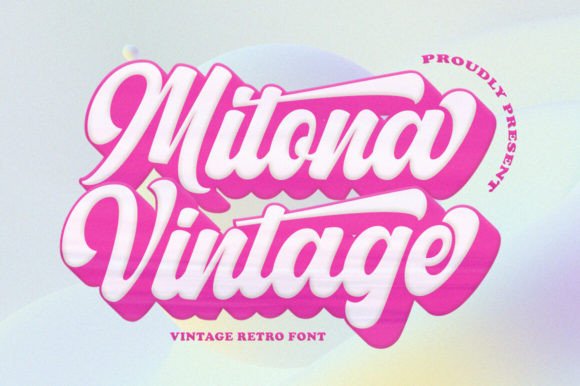
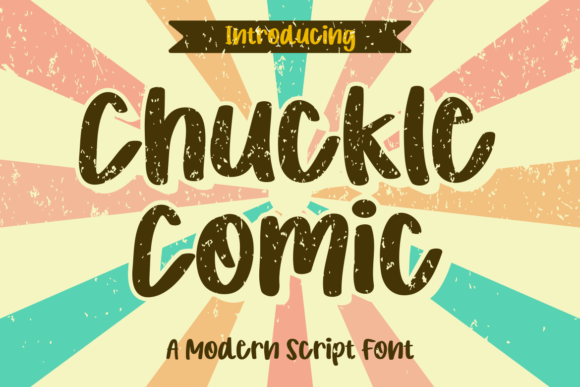
When it comes to typography, few fonts evoke the same sense of nostalgia and elegance as Chuckle Comic. This font is more than just a visual choice—it’s a design statement that bridges the past and present. With its vintage charm and stylish curves, Chuckle Comic brings back the golden age of typography while offering a fresh, modern twist. Whether you're crafting a logo, designing an invitation, or creating content for a brand, Chuckle Comic can elevate your work with a touch of old-school sophistication.
Why Chuckle Comic Stands Out
What makes Chuckle Comic unique is its ability to blend retro aesthetics with contemporary usability. The font features elegant curves and delicate details that give it a refined look, making it ideal for both digital and print media. Unlike many modern fonts that prioritize speed over style, Chuckle Comic maintains a level of craftsmanship that feels intentional and timeless.
Its versatility is another key strength. While it may remind you of classic comic book fonts, Chuckle Comic isn’t limited to any specific genre or purpose. It works well in headlines, body text, and even decorative elements. The font's clean lines and balanced spacing ensure readability without sacrificing character, which is crucial for maintaining both aesthetic appeal and functional clarity.
Common Mistakes When Using Chuckle Comic
Despite its strengths, Chuckle Comic can be misused if not approached thoughtfully. One common mistake is assuming that because it has a vintage feel, it will automatically suit every design project. This is where understanding context becomes essential. Just as you wouldn’t pair a formal suit with casual jeans, you shouldn’t apply Chuckle Comic to every design without considering the overall tone and purpose.
Another frequent error is neglecting the font’s size and weight variations. Many users overlook the fact that Chuckle Comic comes in multiple weights and styles, each suited for different applications. For instance, using the bold variant for body text could make your design feel cluttered, while the light version might lack impact in larger formats.
Additionally, some designers fail to consider the font’s compatibility across platforms and devices. While Chuckle Comic looks great on screen, it may not render consistently on all systems, especially if the font isn’t properly embedded or licensed. This can lead to unexpected results, such as missing characters or distorted shapes, which can damage the professionalism of your design.
How These Mistakes Affect Your Work
Misusing Chuckle Comic can have several negative consequences. First, it can undermine the visual harmony of your design. If the font doesn’t align with the rest of your layout, it can create a disjointed experience for your audience. Second, poor application can affect readability, especially in longer texts. A font that looks elegant in isolation may become difficult to read when used extensively.
From a practical standpoint, these mistakes can also impact efficiency. If you spend time troubleshooting font issues or reworking designs due to poor choices, it can slow down your workflow and reduce productivity. In a professional setting, this can translate into higher costs and lower satisfaction from clients or audiences.
Practical Advice for Choosing and Using Chuckle Comic
To avoid these pitfalls, start by evaluating the purpose of your design. Is it meant to be playful and fun, or does it require a more serious tone? Chuckle Comic excels in projects that benefit from a nostalgic, whimsical vibe—such as branding for a boutique, event invitations, or creative portfolios. However, it may not be the best choice for corporate materials or technical documentation.
Next, familiarize yourself with the different variants of Chuckle Comic. Experiment with weights like light, regular, and bold to find the one that complements your message. Consider how the font interacts with other design elements, such as colors, backgrounds, and layouts. A simple test can help you determine whether the font enhances or detracts from your overall vision.
Finally, always check licensing and compatibility before finalizing your design. Ensure that you have the proper rights to use the font in your intended format, whether it’s for print, web, or mobile. If you’re unsure, opt for a font that offers clear licensing terms or explore alternatives that provide similar aesthetics without the legal risks.
Realistic Examples and Better Approaches
Imagine you’re designing a wedding invitation. Using Chuckle Comic in the header could add a charming, personalized touch that reflects the couple’s style. However, if you use the same font for the entire invitation, it may appear overwhelming. Instead, pair Chuckle Comic with a simpler, more legible font for the body text to maintain balance and readability.
Another example is a small business owner looking to create a logo. Chuckle Comic could serve as the primary font, but pairing it with a sans-serif typeface for supporting text ensures clarity and professionalism. This approach respects the font’s heritage while keeping the design accessible to a broader audience.
By taking these steps, you can harness the beauty of Chuckle Comic without compromising on functionality or quality. The key is to treat the font as a tool rather than a trend, using it intentionally to support your design goals.
What to Check Before Finalizing Your Choice
Before committing to Chuckle Comic, ask yourself a few critical questions. Does the font align with your brand’s identity? Will it enhance the user experience, or will it distract from the message? Are there any potential technical or legal issues that need addressing?
Also, consider the platform where your design will be used. If you’re creating content for the web, ensure that the font is web-safe or properly embedded. For print, verify that the font supports the necessary character sets and formatting options. These checks can save you from last-minute revisions and ensure a seamless delivery.
Ultimately, Chuckle Comic is a powerful design asset when used correctly. By avoiding common mistakes and approaching the font with intention, you can unlock its full potential and create designs that are both beautiful and effective.