Candy Cane Font: A Playful Handwritten Style
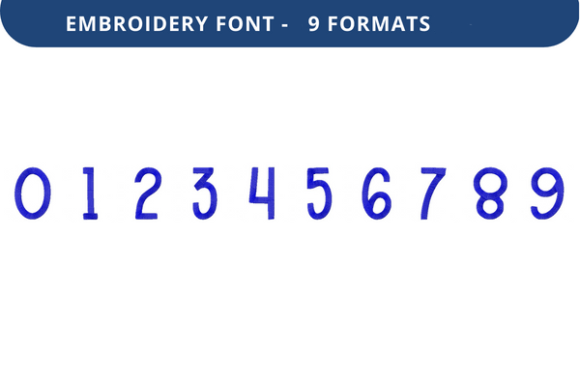
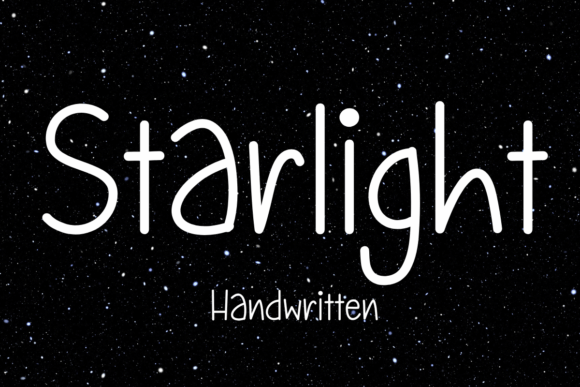
Candy Cane is a playful handwritten font that brings a touch of whimsy and charm to any design. Its unique style makes it stand out, offering a versatile option for both personal and professional use. Whether you're creating digital content, print materials, or branding assets, Candy Cane can add a creative flair that elevates your work.
What Makes Candy Cane Unique?
Candy Cane is more than just a font—it's an expression. With its flowing, cursive strokes and soft curves, it captures the essence of handwritten notes and doodles. This font is designed to feel warm and inviting, making it ideal for projects that require a friendly and approachable tone.
The character design of Candy Cane is intentionally crafted to be readable while maintaining its artistic appeal. Unlike some overly stylized fonts that can be difficult to read, Candy Cane balances aesthetics with functionality. This makes it suitable for a wide range of applications, from casual use to more formal settings.
Why Choose Candy Cane?
One of the main reasons people choose Candy Cane is its versatility. It works well across different mediums, including websites, social media posts, invitations, and even packaging designs. The font’s playful nature allows it to adapt to various themes, whether it's a holiday project, a creative portfolio, or a brand identity.
Another key benefit of Candy Cane is its ability to create visual interest. In a world where most text is typed in standard fonts, using something like Candy Cane can make your content more memorable. It adds personality and helps your message stand out in a crowd.
Where Can You Use Candy Cane?
Candy Cane is not limited to any specific industry or purpose. Here are a few practical examples of how it can be applied:
- Marketing Materials: Use Candy Cane for headlines, logos, or promotional banners to catch attention and create a fun, engaging vibe.
- Education: Teachers and educators can incorporate Candy Cane into lesson plans, flashcards, or classroom decorations to make learning more interactive and enjoyable.
- Personal Projects: From wedding invitations to birthday cards, Candy Cane can bring a personal touch to your handmade creations.
- Branding: Small businesses can use Candy Cane to develop a unique brand voice that feels authentic and relatable.
- Digital Content: Bloggers, content creators, and social media influencers can use Candy Cane to highlight key points, add emphasis, or create visually appealing graphics.
Its adaptability means that no matter what your goal is, Candy Cane can help you achieve it with style and creativity.
Considerations Before Using Candy Cane
While Candy Cane offers many benefits, there are a few things to keep in mind before incorporating it into your work:
- Readability: Although Candy Cane is designed to be legible, it may not be the best choice for long blocks of text. Use it strategically for headings, titles, or short phrases.
- Font Pairing: To maintain visual harmony, pair Candy Cane with complementary fonts for body text. This ensures your design remains balanced and easy to read.
- Use Cases: Consider the context in which you'll be using the font. For example, Candy Cane might not be appropriate for formal documents or legal agreements due to its informal appearance.
- License Agreement: Always check the licensing terms associated with the font to ensure you're using it correctly and legally.
By keeping these factors in mind, you can make the most of Candy Cane without compromising on quality or professionalism.
Realistic Use Cases for Candy Cane
Let’s look at some realistic scenarios where Candy Cane shines:
Example 1: Social Media Graphics
Imagine you're running a small business and want to create eye-catching Instagram posts. Using Candy Cane for your captions or headers can instantly elevate your content and make it more engaging for your audience.
Example 2: Educational Resources
A teacher designing a classroom poster for a science fair might use Candy Cane to highlight key facts or student names. It adds a personal touch that makes the information more memorable.
Example 3: Branding Elements
A local bakery could use Candy Cane for their logo or menu items. The font’s playful nature aligns well with the cozy, homemade feel of baked goods.
These examples demonstrate how Candy Cane can be applied in real-world situations, helping to enhance both the visual and emotional impact of your work.
Conclusion
Candy Cane is more than just a font—it's a tool for creativity. Its playful, handwritten style makes it a valuable addition to any designer’s toolkit. Whether you're looking to add personality to your website, create engaging social media content, or design eye-catching print materials, Candy Cane has the potential to elevate your work in meaningful ways.